
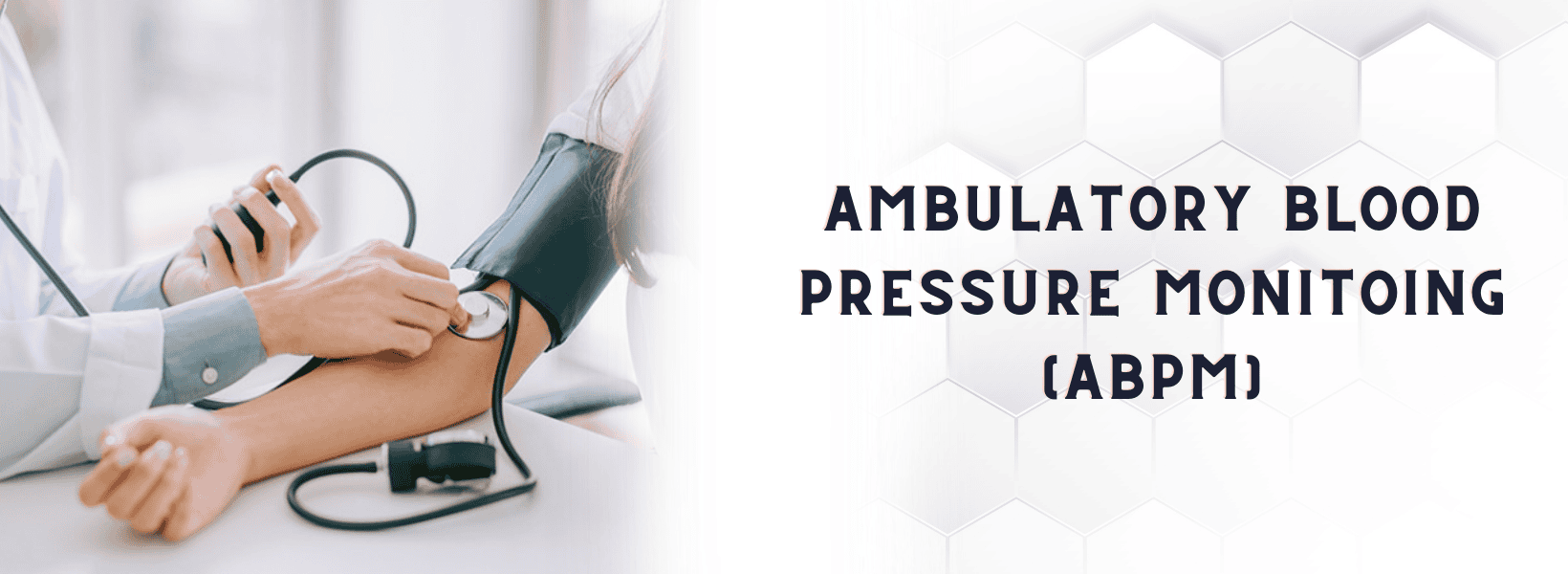

Ambulatory Blood Pressure Monitoing (ABPM)
Ambulatory Blood Pressure Monitoring (ABPM) is a diagnostic technique used to measure blood pressure over a 24-hour period, providing a more comprehensive and accurate assessment of a person's blood pressure profile compared to standard office-based measurements. This method allows healthcare professionals to gather information about blood pressure fluctuations throughout the day and night, providing valuable insights into a patient's cardiovascular health.
Here's an overview of how Ambulatory Blood Pressure Monitoring works
1. Device Setup: The patient wears a small, portable blood pressure monitor, usually strapped to the waist or carried in a pouch. The monitor is connected to an inflatable cuff that is placed around the upper arm.
2. Automatic Measurements: The ABPM device is programmed to automatically inflate the cuff at predetermined intervals, typically every 15 to 30 minutes during the day and every 30 to 60 minutes during the night. This schedule may vary based on the specific monitoring protocol.
3. Recorded Readings: Each time the cuff inflates, the monitor records the patient's blood pressure and heart rate. The device also captures the time of day or night when each measurement is taken.
4. Normal Daily Activities: Patients are encouraged to carry on with their regular daily activities while wearing the ABPM device. This includes work, exercise, sleep, and other routines, providing a more accurate representation of their typical blood pressure patterns.
5. Symptom Diary (Optional): Some ABPM devices come with a symptom diary or event button that allows patients to record specific symptoms or activities that may be relevant to blood pressure changes. This additional information can assist healthcare professionals in correlating symptoms with blood pressure readings.
6. Data Analysis: After the monitoring period (usually 24 hours), the recorded data is analyzed by healthcare professionals. They assess the average blood pressure, blood pressure variability, and the occurrence of any abnormal patterns, such as nocturnal dipping (a normal decrease in blood pressure during sleep) or elevated blood pressure during specific activities.
Ambulatory Blood Pressure Monitoring is particularly useful for several reasons
White Coat Hypertension Identification: Holter monitors are effective in identifying irregular heart rhythms, including atrial fibrillation, ventricular tachycardia, and other types of arrhythmias.
Masked Hypertension Detection: Conversely, ABPM can identify individuals with normal office blood pressure readings who may have elevated blood pressure outside of the clinical setting (masked hypertension).
Evaluation of Blood Pressure Variability: ABPM provides a more comprehensive view of blood pressure patterns, including variations throughout the day and night, which can be valuable for assessing cardiovascular risk.
Ambulatory Blood Pressure Monitoring is recommended in certain situations, such as suspected hypertension, assessment of blood pressure variability, or monitoring the effectiveness of antihypertensive medications. It offers a more holistic understanding of an individual's blood pressure profile, contributing to better-informed diagnosis and management decisions.