
Angiography
Angiography is a medical imaging technique used to visualize the blood vessels and organs of the body. It is primarily employed to study the circulatory system, providing detailed images of arteries and veins. The procedure involves the use of a contrast dye and X-ray technology to capture real-time or static images, allowing healthcare professionals to assess the blood flow and identify any abnormalities or blockages in the vascular system.
Here's a step-by-step explanation of how angiography typically works
1. Preparation: Before the procedure, the patient may need to fast for a certain period, and medical history and any allergies to contrast dye are taken into consideration.
2. Contrast Injection: A contrast dye, usually iodine-based, is injected into the bloodstream. This dye is visible on X-ray images and enhances the visibility of blood vessels.
3. X-ray Imaging: X-ray equipment is used to capture images of the contrast-filled blood vessels in real-time or as still images. The X-rays pass through the body, and the contrast dye appears as bright areas on the X-ray images, highlighting the structure and flow of blood within the vessels.
4. Visualization and Diagnosis: The resulting images provide detailed information about the anatomy and function of blood vessels. This information helps healthcare professionals diagnose conditions such as arterial blockages, aneurysms, narrowing of vessels, and other vascular abnormalities.
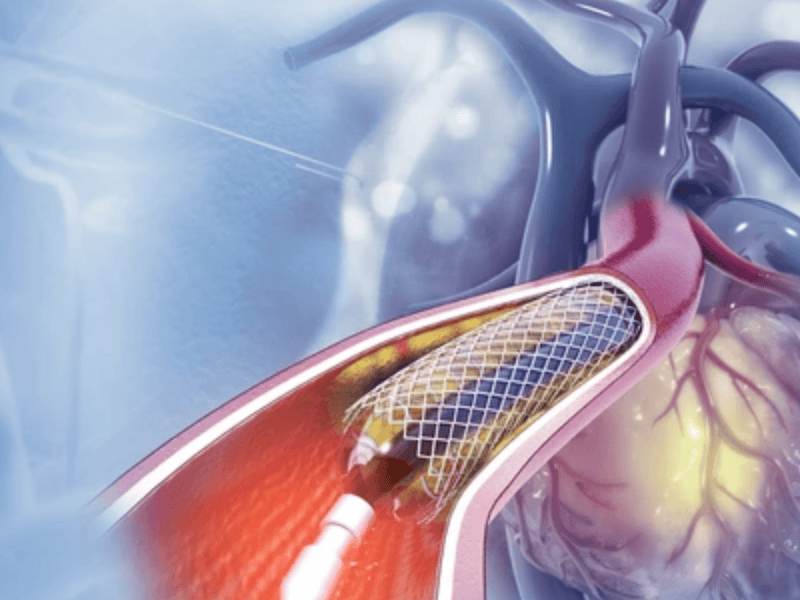
5. Treatment Guidance: In some cases, angiography is not only diagnostic but also therapeutic. For instance, during the procedure, a doctor may perform angioplasty (using a balloon to widen a narrowed vessel) or insert stents to keep vessels open.
Angiography is commonly used in various medical specialties
Which is including cardiology (to study the heart's blood vessels), interventional radiology, neurology (to examine blood vessels in the brain), and vascular surgery. It plays a crucial role in identifying and treating conditions related to the circulatory system, contributing to more accurate diagnoses and targeted medical interventions.