
Computerised stress ECG
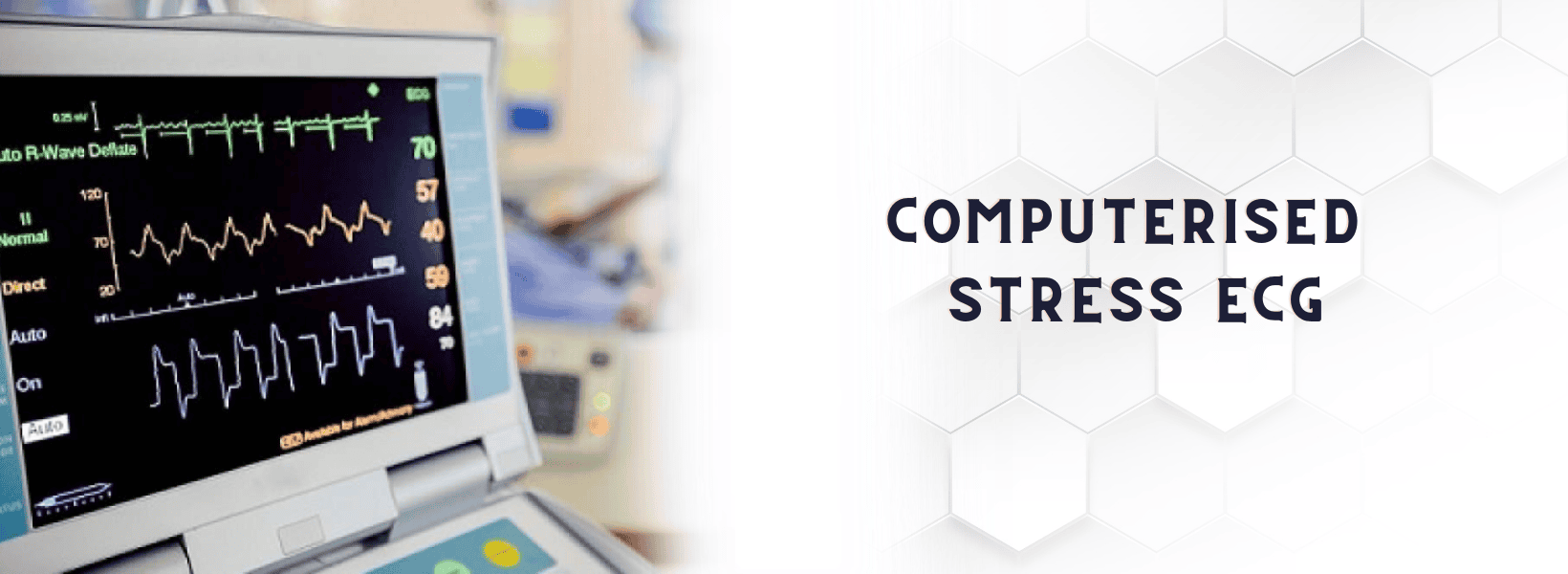
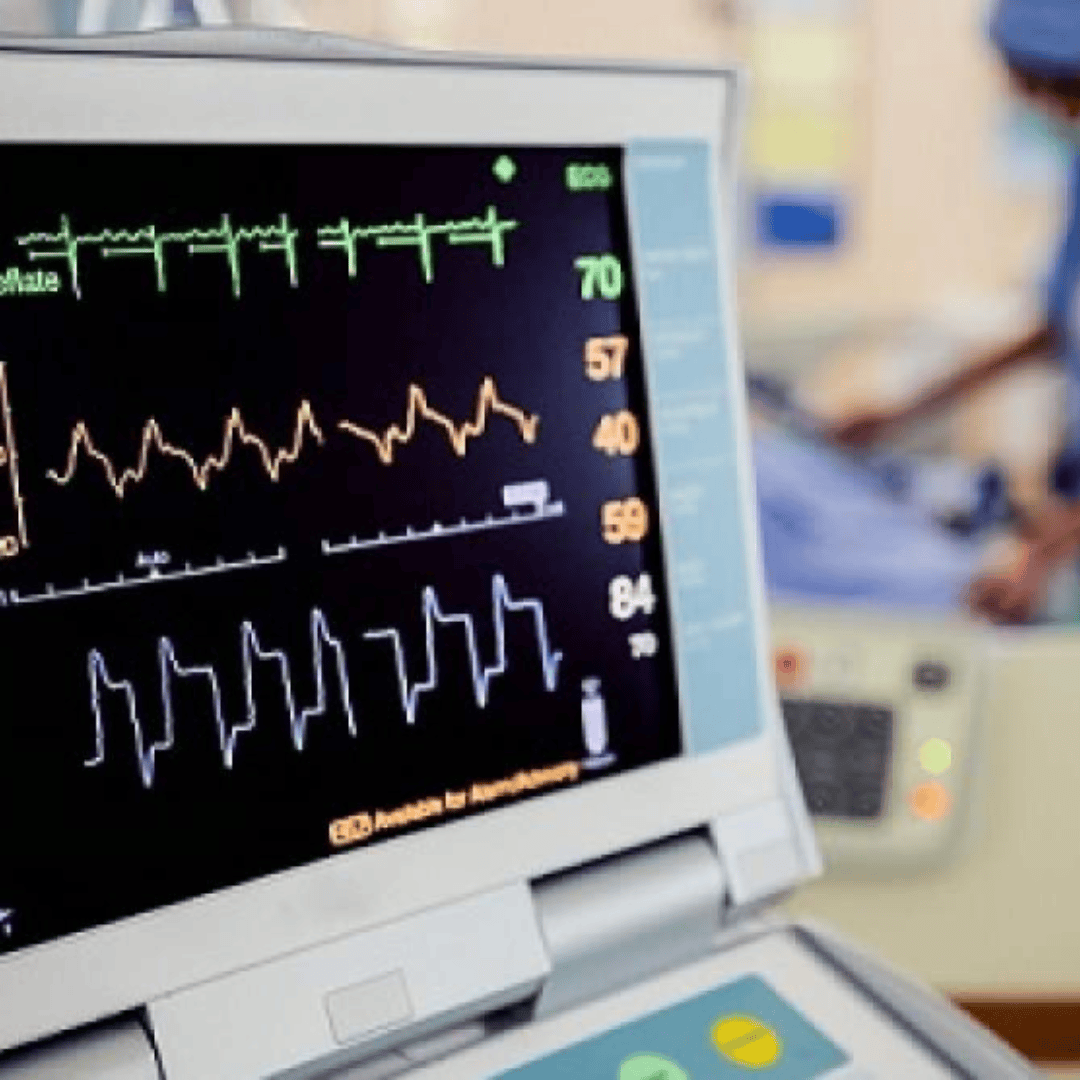
Computerized Stress Electrocardiography (ECG or EKG) is a diagnostic test that combines traditional exercise stress testing with continuous electrocardiogram monitoring. This test is designed to evaluate how the heart responds to stress or physical activity and to detect any potential abnormalities in the heart's electrical activity. It is commonly used to assess cardiovascular health, particularly in individuals with suspected coronary artery disease or other heart-related conditions.
Here's an overview of how Computerized Stress ECG works
1. Patient Preparation: The patient is prepared for the test by attaching electrodes to specific areas of the chest, which are connected to an electrocardiogram machine. These electrodes record the electrical activity of the heart.
2. Exercise Stress Testing: The patient usually undergoes a controlled exercise stress test, which typically involves walking or running on a treadmill. The intensity of the exercise gradually increases, and the patient's heart rate, blood pressure, and ECG readings are monitored continuously throughout the test.
3. ECG Monitoring: The electrocardiogram machine records the electrical signals generated by the heart during exercise. This continuous monitoring allows healthcare professionals to assess changes in the heart's electrical activity in response to physical exertion.
4. Computerized Analysis: The ECG data is processed and analyzed by computer software, which can identify patterns, abnormalities, or signs of insufficient blood flow to the heart muscle (ischemia). The computerized analysis enhances the accuracy and efficiency of the test interpretation.
5. Blood Pressure Monitoring: In addition to ECG monitoring, blood pressure is typically measured at regular intervals during the stress test. Abnormal blood pressure responses can provide additional information about cardiovascular health.
6. Test Termination: The stress test is usually terminated when the patient reaches a target heart rate, experiences symptoms such as chest pain or fatigue, or if there are significant changes in the ECG that raise concerns.
Computerized Stress ECG is valuable for several purposes
Detection of Coronary Artery Disease (CAD): The test is commonly used to assess the presence of CAD by identifying abnormal changes in the ECG pattern during exercise.
Evaluation of Exercise Capacity: The test provides information about the patient's exercise tolerance and cardiovascular response to physical activity.
Assessment of Arrhythmias: The continuous ECG monitoring can detect abnormal heart rhythms (arrhythmias) that may be triggered by exercise.
Risk Stratification: Computerized Stress ECG can help stratify the risk of cardiovascular events and guide further diagnostic and treatment decisions.
It's important to note that Computerized Stress ECG is just one tool in the diagnostic arsenal for cardiovascular evaluation. The results are typically interpreted by healthcare professionals, including cardiologists, who consider the patient's overall medical history and other diagnostic tests to make informed decisions about treatment and management.