
Carotid angioplasty and stenting
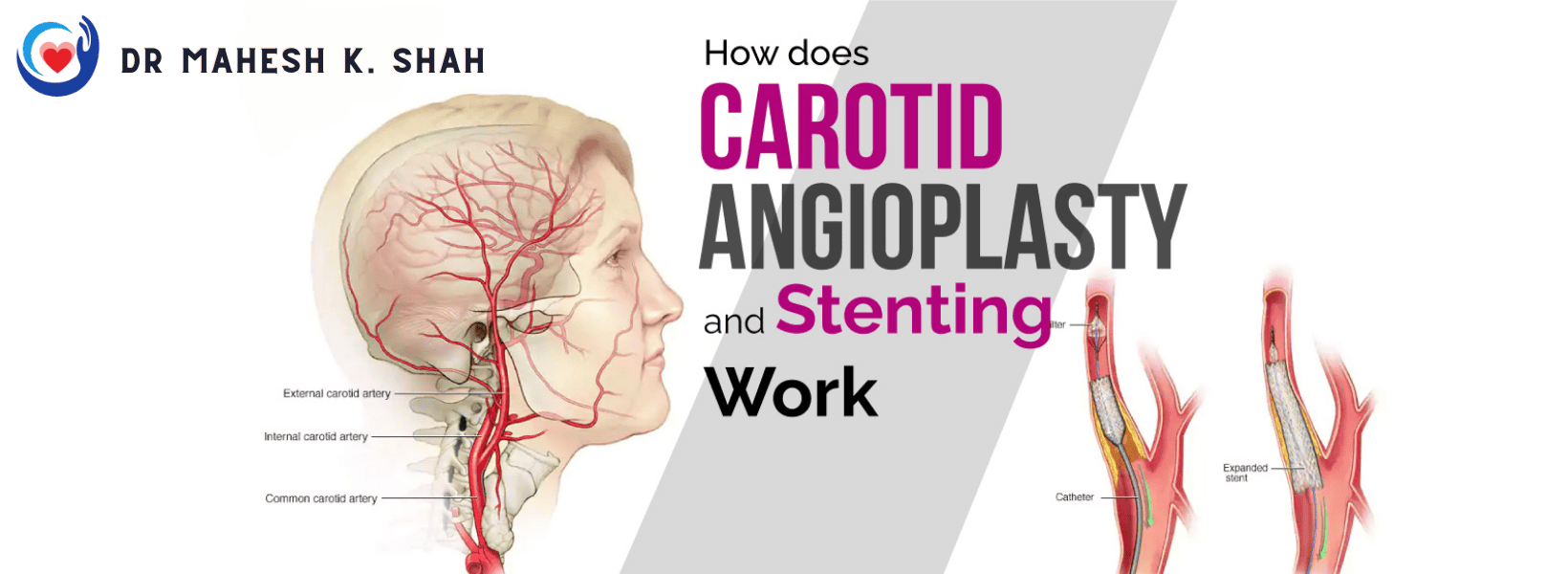
Carotid angioplasty and stenting (CAS) is a medical procedure used to treat carotid artery disease, which involves the narrowing or blockage of the carotid arteries. These arteries, located on each side of the neck, supply blood to the brain. Carotid artery disease can increase the risk of stroke if a blood clot forms or if a piece of plaque breaks loose and travels to the brain. Carotid angioplasty and stenting is a minimally invasive alternative to carotid endarterectomy, a surgical procedure used to clear blockages in the carotid arteries.
Here's an overview of the Carotid Angioplasty and Stenting procedure
1. Diagnostic Imaging: Before the procedure, diagnostic tests such as carotid ultrasound, magnetic resonance angiography (MRA), or computed tomography angiography (CTA) are conducted to identify the location and severity of the blockage in the carotid arteries.
2. Patient Preparation: The patient is usually given local anesthesia, and a catheter is threaded through the blood vessels from the groin to the carotid artery under X-ray guidance.
3. Angiography:A contrast dye is injected through the catheter, and X-ray imaging is used to visualize the carotid arteries and the blockage. This helps guide the placement of the catheter and the subsequent steps of the procedure.
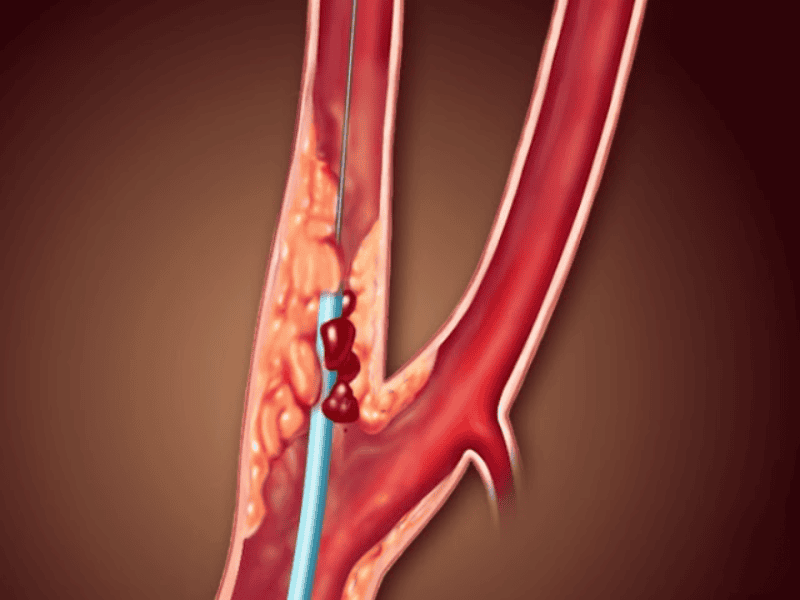
4. Balloon Angioplasty: A balloon-tipped catheter is positioned at the site of the blockage. The balloon is inflated, compressing the plaque against the artery walls and widening the narrowed vessel, similar to the balloon angioplasty used in coronary angioplasty.
5. Stent Placement: In many cases, a stent, a small metal mesh tube, is inserted at the site of the blockage. The stent is expanded, acting as a scaffold to keep the artery open. This helps prevent the vessel from collapsing or narrowing again after the balloon is deflated and removed.
6. Balloon Deflation and Catheter Removal:Once the balloon angioplasty and stent placement are completed, the balloon is deflated, and the catheter is removed.
7. Post-Procedure Monitoring:The patient is monitored for a period after the procedure to ensure there are no complications.
Carotid angioplasty and stenting
Carotid angioplasty and stenting are often considered for individuals who may not be suitable candidates for carotid endarterectomy or in cases where a less invasive approach is preferred. It's important to note that the choice between carotid angioplasty and stenting and carotid endarterectomy depends on various factors, including the patient's overall health, the location and severity of the blockage, and the presence of other medical conditions. The procedure has shown effectiveness in reducing the risk of stroke in selected patients with carotid artery disease.